where people rise from the valley:
recovery, resilience, and real-world readiness in one powerful place.
ABOUT
Pegasus House is a residential recovery program dedicated to serving women aged 18-29 experiencing substance use disorders and co-occurring mental health conditions. The program is grounded in trauma-informed care and incorporates evidence-informed practices that support whole-person healing, including education and prevention strategies related to opioid overdose.
Pegasus House recognizes that recovery occurs within the context of developmental, cultural, and social influences. Programming is therefore tailored to meet the unique needs of each individual’s developmental stage and lived experience. Services are delivered in a culturally responsive and inclusive manner that respects and affirms diverse identities, including race, ethnicity, language, gender identity, and LGBTQ+ identity.
The program is designed to address substance use disorders among young adults while also supporting individuals in overcoming the personal, social, and systemic barriers that may impact their ability to live safely and successfully within the community.
OUR STABILIZATION SERVICES INCLUDE:
.png)
Building Skills for Recovery & Independence
Pegasus House provides comprehensive residential treatment and recovery support for young people and their families, with a focus on developing the practical, emotional, and interpersonal skills necessary for long-term recovery and independence. Residents are supported in building competencies that promote community integration, including:
Independent living and daily life skills
Educational advancement and vocational development
Employment readiness and skill building
Access to community-based services and resources
Engagement with peer recovery and community recovery networks:
Through individualized treatment planning, residents develop both short-term, attainable goals and longer-term recovery and life planning strategies. The program emphasizes task mastery and developmental growth, including daily living skills, educational and vocational readiness, emotional regulation, and the development of healthy relationships. This framework supports the unique developmental needs of the women we serve and promotes long-term stability and independence.
Evidence-Informed Treatment Approach:
Pegasus House utilizes the Stages of Change Model and Motivational Interviewing, evidence-based approaches that help clinicians meet individuals where they are in their readiness for change. These models support residents in identifying personal goals, strengthening intrinsic motivation, and progressing toward improved health, recovery, and well-being.
Given the increasing prevalence of opioid use within the community, Medication Assisted Treatment (MAT) is available as part of a comprehensive recovery plan. When clinically appropriate, residents may receive support and referrals related to medications such as Methadone, Suboxone, or Vivitrol. Education, clinical guidance, and recovery support related to MAT are integrated into treatment planning to ensure informed decision-making and continuity of care.


Key elements of the Pegasus House treatment model include:
-
Comprehensive assessment and individualized treatment planning
-
Treatment matching based on clinical needs and developmental stage
-
Engagement and retention strategies for Transitional Age Youth and Young Adults
-
Integrated treatment for substance use and co-occurring mental health conditions
-
Highly qualified and experienced clinical staff
-
Active family involvement in the recovery process
-
Gender-responsive and culturally competent care
-
Developmentally appropriate therapeutic programming
-
Ongoing treatment evaluation and continuing care planning
DAILY Therapeutic PROGRAMMING
Daily programming at Pegasus House is intentionally structured to support engagement in the recovery process while fostering peer connection, accountability, and personal growth. Residents participate in a combination of individual counseling, group therapy, and psychoeducational programming designed to strengthen recovery skills and promote emotional well-being.
Therapeutic groups and educational sessions address a range of recovery-focused topics, including but not limited to:
Relapse prevention and long-term recovery maintenance
Anger management and healthy coping strategies
Tobacco and nicotine cessation and the phases of recovery
Goal setting, emotional awareness, mindfulness, and self-esteem development
Stress management and emotional regulation + Nutrition, health education, and holistic wellness
Effective communication and the establishment of healthy boundaries
Education related to HIV/AIDS, sexually transmitted infections, and viral hepatitis
The impact of substance use disorders on families and relationships
This structured programming promotes emotional growth, strengthens life skills, and supports residents in developing healthier lifestyle patterns that contribute to long-term recovery and successful community reintegration.

Family Engagement and Aftercare Planning
Family engagement is a vital component of the Pegasus House recovery model. The program recognizes that healthy family and support networks play a critical role in sustaining recovery beyond residential treatment.
Family sessions may include parents, guardians, mentors, or other supportive adults identified by the resident. Additional participants may include grandparents, relatives, or other significant adults who can provide ongoing encouragement and accountability during the recovery journey.
Aftercare planning begins at the time of admission and continues throughout the treatment process. Residents work collaboratively with clinical staff to develop individualized discharge and recovery support plans that may include outpatient treatment, community resources, educational or vocational goals, and continued engagement in recovery networks.
Recreational
and Social Programming
Social and recreational activities play an important role in supporting healthy lifestyle development and strengthening peer relationships. Pegasus House encourages residents to explore positive leisure activities that contribute to emotional well-being and recovery.
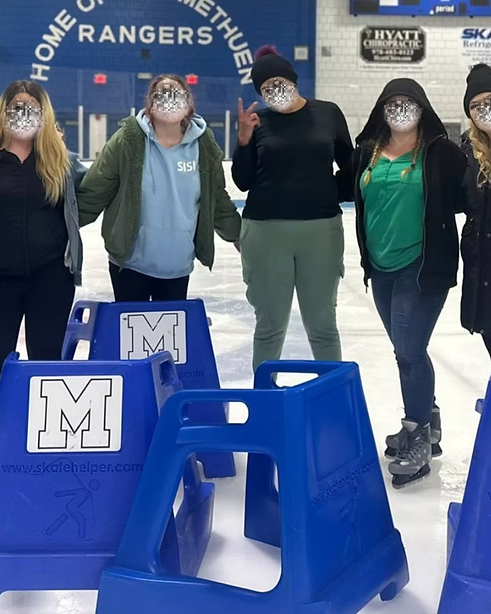
Residents participate in a variety of activities both on and off campus, including community outings and structured recreational opportunities. The program’s grounds provide space for activities such as volleyball and basketball, while creative expression is encouraged through art therapy sessions held in the on-site studio.
These experiences support residents in developing healthy social connections, building confidence, and discovering constructive outlets for stress management and self-expression.